Inpage Katib Work Review

craftsmanship) and modern digital desktop publishing. InPage is the industry standard for typesetting languages like Urdu, Persian, and Arabic, specifically for its ability to render the complex Nastaliq script

In-Page Katib holds profound spiritual significance in Tibetan Buddhism. The creation of these intricate scripts and designs is considered a form of meditation, where artists focus their minds and channel their creativity into the artwork. The finished piece is believed to embody the essence of the Buddha's teachings, serving as a visual representation of the path to enlightenment.

Input raw text while respecting Urdu grammatical structures and spaces.

In Urdu publishing, a Katib is a master of Khattati (calligraphy). InPage Katib software—specifically versions developed and shared across platforms like Dynamik Skills —is specialized writing and layout software designed to replicate those organic, fluid calligraphic strokes digitally.

: Set line spacing to "Fixed" (e.g., 28pt to 32pt for 14pt font) to prevent overlapping of long descenders in Nastaliq characters. 3. Structural Elements for Professional Papers Depending on your paper type, integrate these components: Header Section : Include the organization name, logo (using the Picture Box tool), and document title. Question Paper Layout : If creating an exam, use the Table Tool inpage katib work

The Art of InPage Katib Work: Urdu Typesetting and Digital Calligraphy

for Urdu text. This ensures the distinctive "Kashida" (stretching of characters) is applied, giving the paper a traditional printed look. Line Spacing

Here is an in-depth exploration of InPage Katib work, its history, core functionalities, and continuing relevance in the digital age. The Evolution of Urdu Calligraphy to Digital Layouts

: Most professionals switch the keyboard preference from "Monotype" to "Phonetic" to type Urdu more intuitively using Roman letters (e.g., "A" for Alif). craftsmanship) and modern digital desktop publishing

During the Tibetan Empire (7th-9th centuries), In-Page Katib reached new heights of sophistication and artistic expression. Royal patronage and support enabled artists to experiment with new techniques and materials, resulting in breathtaking works of art that adorned monasteries, temples, and palaces.

The most popular interface for typing Urdu in InPage, mapping Urdu sounds to similar English keys.

Operating InPage in contemporary design environments presents specific hurdles.

The practice of creating In-Page Katib offers numerous benefits, both for the artist and the viewer. For the artist, the process of creating these intricate designs can be meditative and calming, fostering a sense of inner peace and focus. The finished artwork also serves as a tangible representation of the artist's skill and creativity. The finished piece is believed to embody the

InPage isn't just about typing; it's a sophisticated toolset designed to put the power of a calligrapher into your hands. Here are some of its key features:

In the world of Urdu publishing, journalism, and clerical work, has long been the industry-standard software. Within this ecosystem, the role of an InPage Katib (or Urdu compositor/desktop publisher) is crucial. While traditional hand-calligraphy ( Katabat ) has largely been replaced by digital tools, the specialized skills of a Katib—understanding Urdu aesthetics, proper font usage, and layout—remain in high demand.

Working on daily newspapers or book publishing. Printing Presses: Designing custom printing orders.

In InPage, applying automatic or manual Kashida stretches words elegantly instead of just widening white spaces. Font Selection and Hierarchy

Connecting characters smoothly according to classical Nastaliq rules.

version, focus on bridging traditional penmanship with digital design. Key aspects include: Calligraphic Accuracy
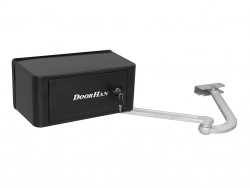
ANTRIEB ARM 320PRO

ANTRIEB ARM 320PRO

Auf Lager
24 Monate Garantie
Preis 283,70 €
There are not enough products in stock
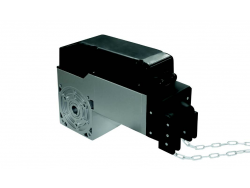
ANTRIEB Shaft-120KIT

ANTRIEB Shaft-120KIT

Auf Lager
24 Monate Garantie
Preis 963,90 €
There are not enough products in stock
DOORSTOP

DOORSTOP

Auf Lager
24 Monate Garantie
Preis 23,00 €
There are not enough products in stock

craftsmanship) and modern digital desktop publishing. InPage is the industry standard for typesetting languages like Urdu, Persian, and Arabic, specifically for its ability to render the complex Nastaliq script

In-Page Katib holds profound spiritual significance in Tibetan Buddhism. The creation of these intricate scripts and designs is considered a form of meditation, where artists focus their minds and channel their creativity into the artwork. The finished piece is believed to embody the essence of the Buddha's teachings, serving as a visual representation of the path to enlightenment.

Input raw text while respecting Urdu grammatical structures and spaces.

In Urdu publishing, a Katib is a master of Khattati (calligraphy). InPage Katib software—specifically versions developed and shared across platforms like Dynamik Skills —is specialized writing and layout software designed to replicate those organic, fluid calligraphic strokes digitally.

: Set line spacing to "Fixed" (e.g., 28pt to 32pt for 14pt font) to prevent overlapping of long descenders in Nastaliq characters. 3. Structural Elements for Professional Papers Depending on your paper type, integrate these components: Header Section : Include the organization name, logo (using the Picture Box tool), and document title. Question Paper Layout : If creating an exam, use the Table Tool

The Art of InPage Katib Work: Urdu Typesetting and Digital Calligraphy

for Urdu text. This ensures the distinctive "Kashida" (stretching of characters) is applied, giving the paper a traditional printed look. Line Spacing

Here is an in-depth exploration of InPage Katib work, its history, core functionalities, and continuing relevance in the digital age. The Evolution of Urdu Calligraphy to Digital Layouts

: Most professionals switch the keyboard preference from "Monotype" to "Phonetic" to type Urdu more intuitively using Roman letters (e.g., "A" for Alif).

During the Tibetan Empire (7th-9th centuries), In-Page Katib reached new heights of sophistication and artistic expression. Royal patronage and support enabled artists to experiment with new techniques and materials, resulting in breathtaking works of art that adorned monasteries, temples, and palaces.

The most popular interface for typing Urdu in InPage, mapping Urdu sounds to similar English keys.

Operating InPage in contemporary design environments presents specific hurdles.

The practice of creating In-Page Katib offers numerous benefits, both for the artist and the viewer. For the artist, the process of creating these intricate designs can be meditative and calming, fostering a sense of inner peace and focus. The finished artwork also serves as a tangible representation of the artist's skill and creativity.

InPage isn't just about typing; it's a sophisticated toolset designed to put the power of a calligrapher into your hands. Here are some of its key features:

In the world of Urdu publishing, journalism, and clerical work, has long been the industry-standard software. Within this ecosystem, the role of an InPage Katib (or Urdu compositor/desktop publisher) is crucial. While traditional hand-calligraphy ( Katabat ) has largely been replaced by digital tools, the specialized skills of a Katib—understanding Urdu aesthetics, proper font usage, and layout—remain in high demand.

Working on daily newspapers or book publishing. Printing Presses: Designing custom printing orders.

In InPage, applying automatic or manual Kashida stretches words elegantly instead of just widening white spaces. Font Selection and Hierarchy

Connecting characters smoothly according to classical Nastaliq rules.

version, focus on bridging traditional penmanship with digital design. Key aspects include: Calligraphic Accuracy
Inhalt nicht verfügbar