Mathematical Olympiad Training Book Level 1 Pdf
Preparing for Level 1 of a Mathematical Olympiad requires a foundation in non-routine problem solving rather than just standard school curriculum
Learning how to count complex arrangements without listing them all.
Set a 20-minute timer. Complete a mixed review of 10 problems from previous chapters.
: While targeted at slightly older beginners (pre-collegiate), it is widely cited as the "foundational" Level 1 book for competitive math. It introduces proof-writing and core areas like Combinatorics and Number Theory. This book is available at Amazon . Curriculum & Topics Covered Level 1 training generally covers: Maths Olympiad Training Book Level 1 | PDF - Scribd
In a standard math class, if a student spends 20 minutes on a problem without solving it, they are often considered to be "stuck" or "failing." In the Olympiad paradigm, spending 20 minutes on a problem is the norm . The book conditions the student to embrace the struggle. It teaches that "I don't know" is not a failure, but a starting point for investigation.
Reversing operations to find an initial unknown quantity.
1. Mathematics Olympiad – Challenges and Solutions (Level 1)
In competitive mathematics, "Level 1" typically targets primary school students (usually Grades 3 to 6, depending on the specific competition framework) or absolute beginners entering the world of math competitions. The primary goals of a Level 1 training book are to:
Practicing for 30 minutes every single day is vastly superior to a single three-hour cramming session on the weekend.
On page one, the numbers stopped behaving. 2 + 2 wasn't just 4 anymore; it was a doorway. While his friends were out kicking soccer balls, Leo was chasing a "shadow prime" through a forest of Venn diagrams. The PDF didn't just give him problems; it gave him a new set of eyes.
Even if using a PDF on a tablet, work out calculations, draw diagrams, and write final proofs in a dedicated physical notebook.
PDFs allow students to view solutions on tablets, zoom in on complex geometric figures, or print out specific worksheet pages for physical practice.
Students move beyond basic calculations to understand the intrinsic properties of numbers. The Four Operations (shortcuts and smart calculations) Factors, Multiples, and Prime Numbers Divisibility Rules The concept of Remainders and Last Digits 2. Counting and Combinatorics
A standard Level 1 training manual breaks down complex problem-solving into digestible, thematic chapters. Here are the core pillars you will encounter in a high-quality Level 1 PDF. 1. Arithmetic and Number Sense
Have you found a great free Level 1 PDF? Share the link in the comments below (no piracy, please!). Let’s build a resource library for everyone.
┌────────────────────────────────────────────────────────┐ │ Anatomy of a Quality Chapter │ ├────────────────────────────────────────────────────────┤ │ 1. Core Concept ──> 2. Worked Examples ──> 3. Practice│ └────────────────────────────────────────────────────────┘
Preparing for Level 1 of a Mathematical Olympiad requires a foundation in non-routine problem solving rather than just standard school curriculum
Learning how to count complex arrangements without listing them all.
Set a 20-minute timer. Complete a mixed review of 10 problems from previous chapters.
: While targeted at slightly older beginners (pre-collegiate), it is widely cited as the "foundational" Level 1 book for competitive math. It introduces proof-writing and core areas like Combinatorics and Number Theory. This book is available at Amazon . Curriculum & Topics Covered Level 1 training generally covers: Maths Olympiad Training Book Level 1 | PDF - Scribd
In a standard math class, if a student spends 20 minutes on a problem without solving it, they are often considered to be "stuck" or "failing." In the Olympiad paradigm, spending 20 minutes on a problem is the norm . The book conditions the student to embrace the struggle. It teaches that "I don't know" is not a failure, but a starting point for investigation.
Reversing operations to find an initial unknown quantity.
1. Mathematics Olympiad – Challenges and Solutions (Level 1)
In competitive mathematics, "Level 1" typically targets primary school students (usually Grades 3 to 6, depending on the specific competition framework) or absolute beginners entering the world of math competitions. The primary goals of a Level 1 training book are to:
Practicing for 30 minutes every single day is vastly superior to a single three-hour cramming session on the weekend.
On page one, the numbers stopped behaving. 2 + 2 wasn't just 4 anymore; it was a doorway. While his friends were out kicking soccer balls, Leo was chasing a "shadow prime" through a forest of Venn diagrams. The PDF didn't just give him problems; it gave him a new set of eyes.
Even if using a PDF on a tablet, work out calculations, draw diagrams, and write final proofs in a dedicated physical notebook.
PDFs allow students to view solutions on tablets, zoom in on complex geometric figures, or print out specific worksheet pages for physical practice.
Students move beyond basic calculations to understand the intrinsic properties of numbers. The Four Operations (shortcuts and smart calculations) Factors, Multiples, and Prime Numbers Divisibility Rules The concept of Remainders and Last Digits 2. Counting and Combinatorics
A standard Level 1 training manual breaks down complex problem-solving into digestible, thematic chapters. Here are the core pillars you will encounter in a high-quality Level 1 PDF. 1. Arithmetic and Number Sense
Have you found a great free Level 1 PDF? Share the link in the comments below (no piracy, please!). Let’s build a resource library for everyone.
┌────────────────────────────────────────────────────────┐ │ Anatomy of a Quality Chapter │ ├────────────────────────────────────────────────────────┤ │ 1. Core Concept ──> 2. Worked Examples ──> 3. Practice│ └────────────────────────────────────────────────────────┘
You can explore all popular kitchen layout types
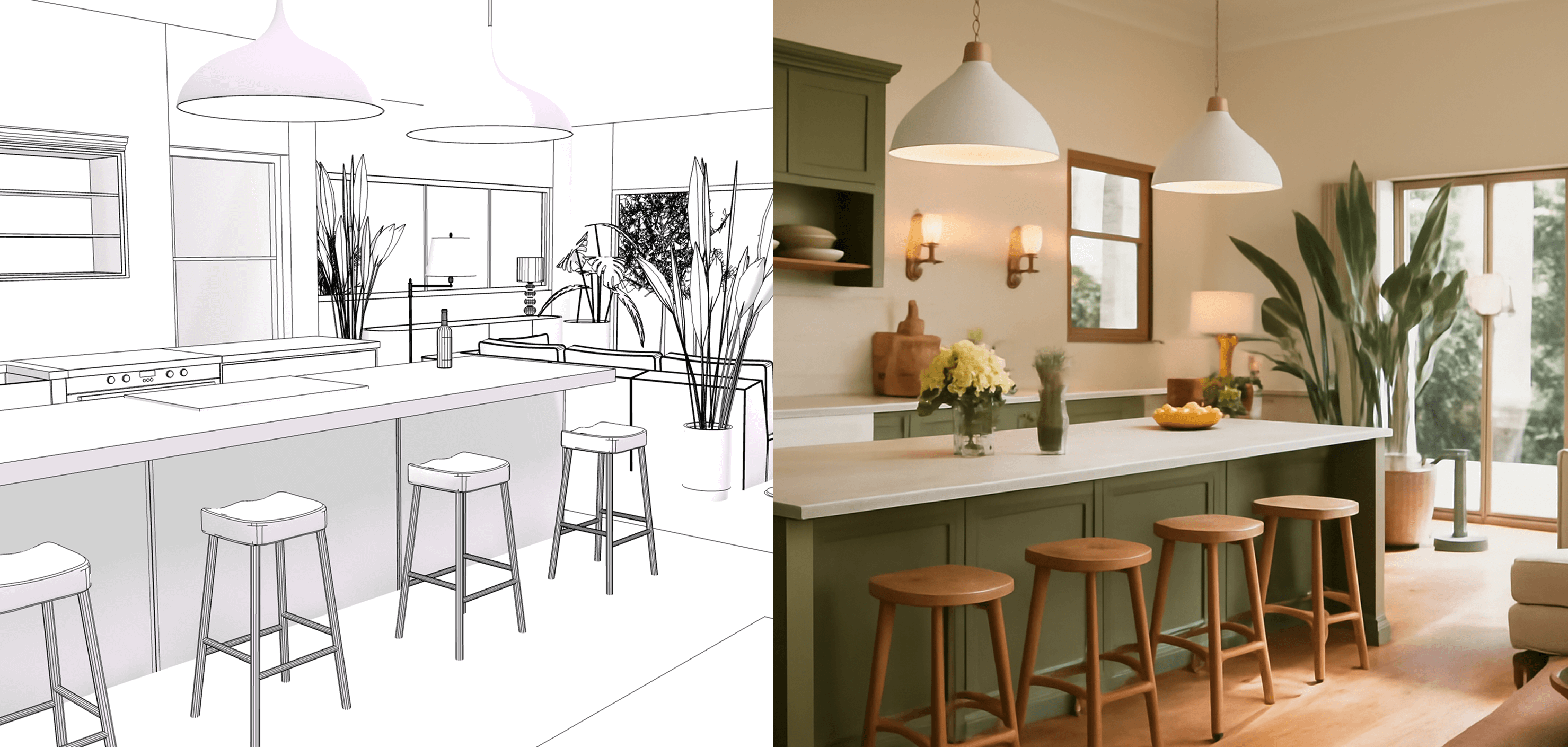
Every kitchen space presents unique opportunities. Arcadium's 3D kitchen design free tool supports all major layout configurations:
L-shaped kitchen layouts
The L-shaped kitchen maximizes corner space while maintaining an open feel. This versatile layout works exceptionally well for both compact apartments and larger homes. Design your L-shaped configuration with ample counter space for food preparation and natural traffic flow between cooking zones.
U-shaped kitchen designs
U-shaped kitchens offer maximum storage and counter space with cabinetry on three walls. Ideal for serious home cooks, this layout provides distinct zones for different tasks while keeping everything within easy reach. Our kitchen layout design tool helps you optimize the spacing between workstations.
Kitchen island configurations
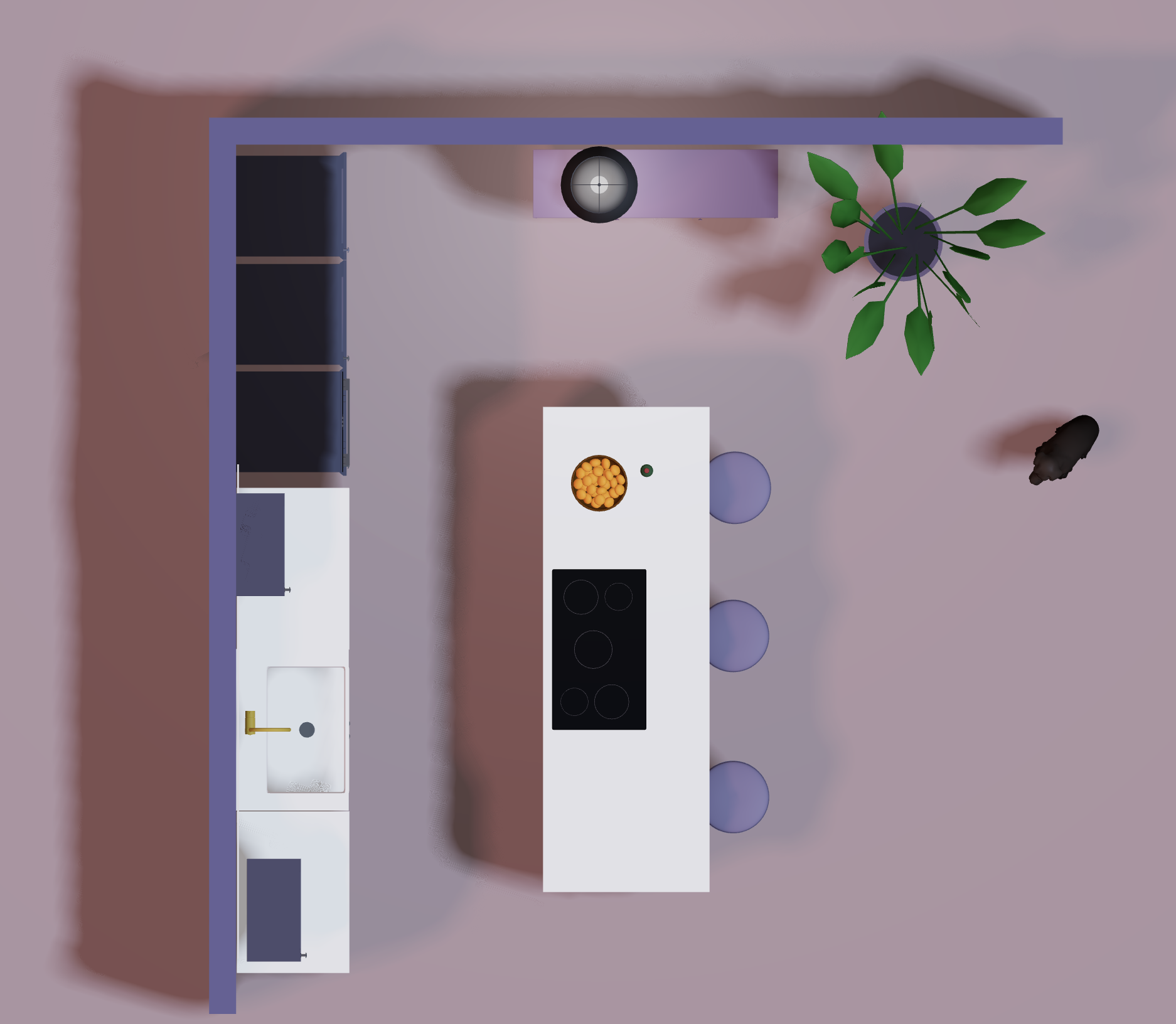
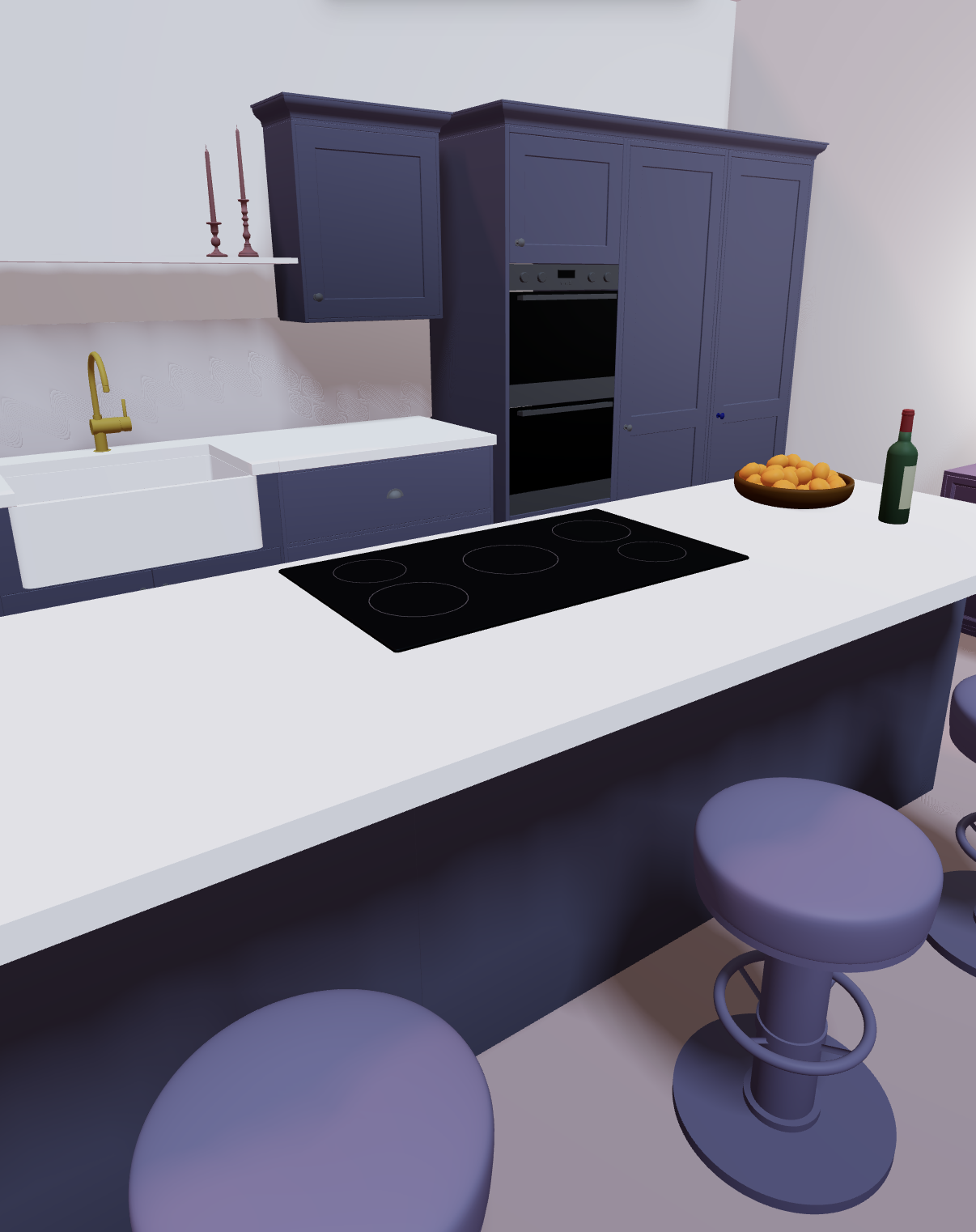
A kitchen island creates a central hub for cooking, dining, and entertaining. Use our 3D kitchen planner to position your island strategically, incorporate seating, add a prep sink, or integrate appliances. Visualize how island placement affects traffic patterns and work zones.
Galley and one-wall kitchens
Small kitchen layouts require smart space planning. Our free kitchen design tool helps you arrange cabinets, appliances, and countertops efficiently in galley and single-wall configurations. Maximize every square foot while maintaining functionality and visual appeal.
Open-concept kitchen floor plans
Modern homes often feature kitchens that flow into living and dining areas. Arcadium lets you design open-concept layouts that balance cooking functionality with social spaces. Plan sightlines, define activity zones, and create cohesive designs that work for daily life and entertaining.
How to create with our kitchen design software
Step 1: Define your kitchen space
Begin by drawing your kitchen walls, positioning windows, and placing doors. Enter precise room dimensions or work with approximate measurements. The flexible interface accommodates any kitchen shape or size.
Step 2: Add cabinets and storage
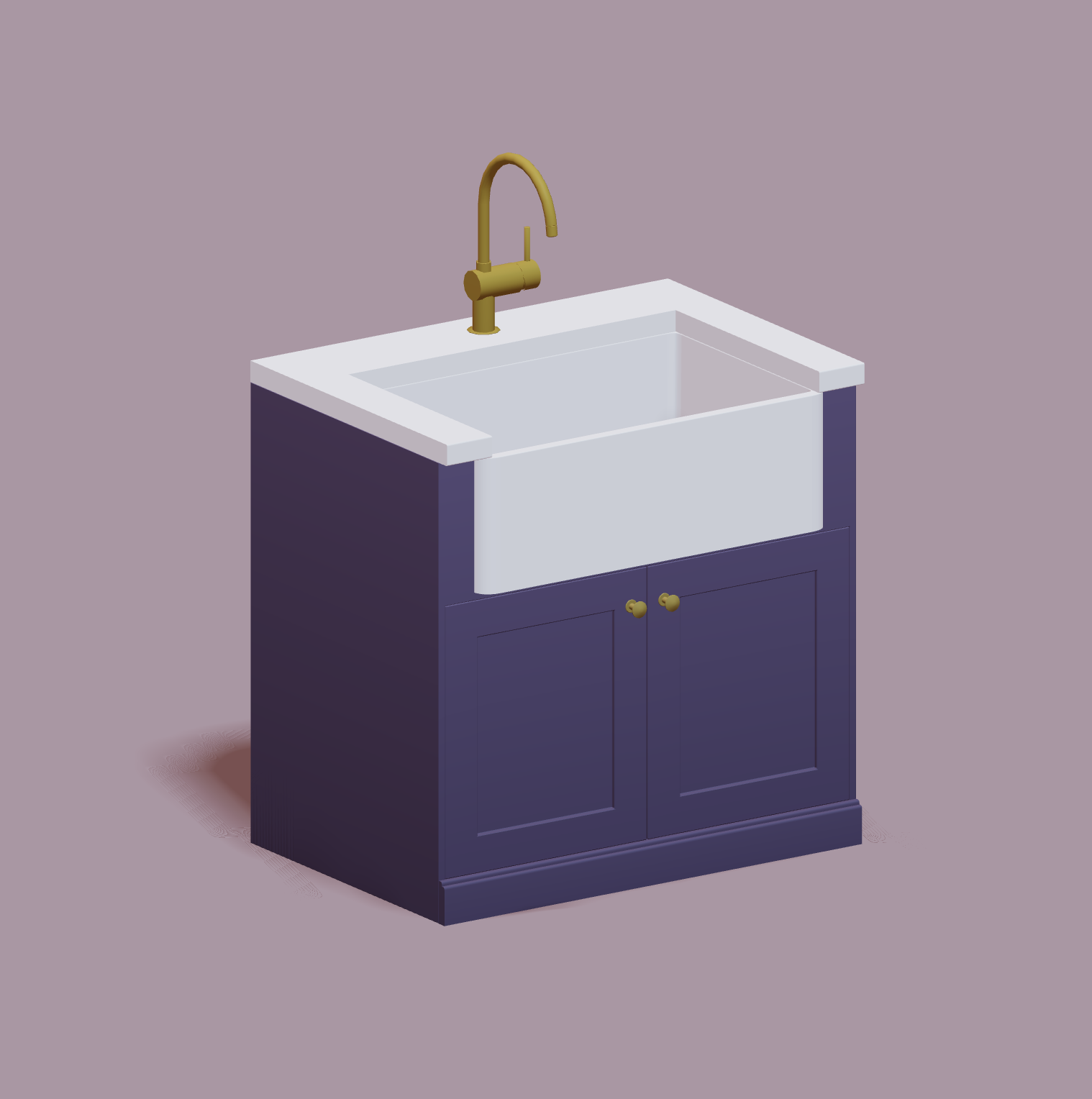
Select from pre-built kitchen units, including base cabinets, wall cabinets, corner units, and tall pantry storage. Position units precisely and adjust dimensions to fit your space. Explore different door styles and finishes.
Step 3: Place countertops and appliances
Add worktops in various materials and colors. Position your sink, stove, refrigerator, dishwasher, and other appliances. Use the shapes tool to create custom features like breakfast bars or built-in elements.
Step 4: Perfect the details
Add lighting fixtures to visualize ambiance. Customize wall colors, flooring materials, and backsplash designs. Include accessories and decor elements to complete your kitchen vision.
Step 5: Review and share
Switch to 3D view to explore your design from any perspective. When satisfied, generate a shareable URL to send to contractors, designers, or anyone whose feedback you value.


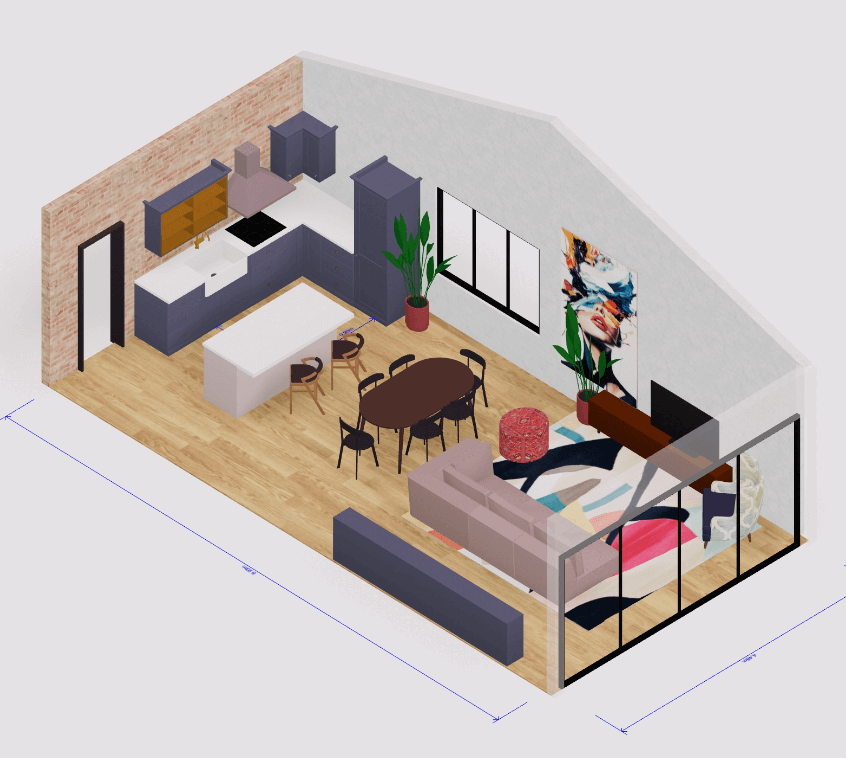 3D house design tool

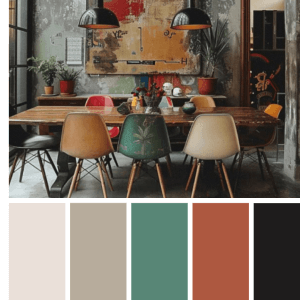 Color palette generator
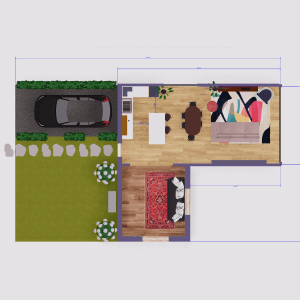 Floor plan creator
 Interior design app
 Kitchen design tool
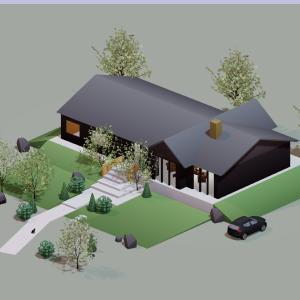 House design software
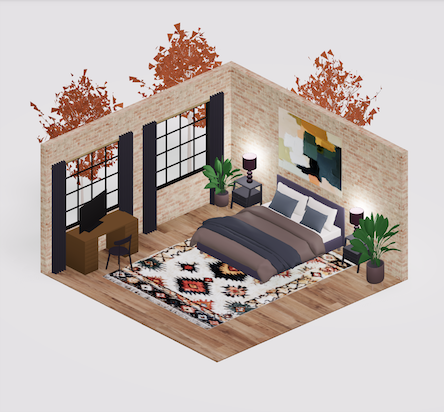 Room designer
 Landscape design software
 Bedroom design
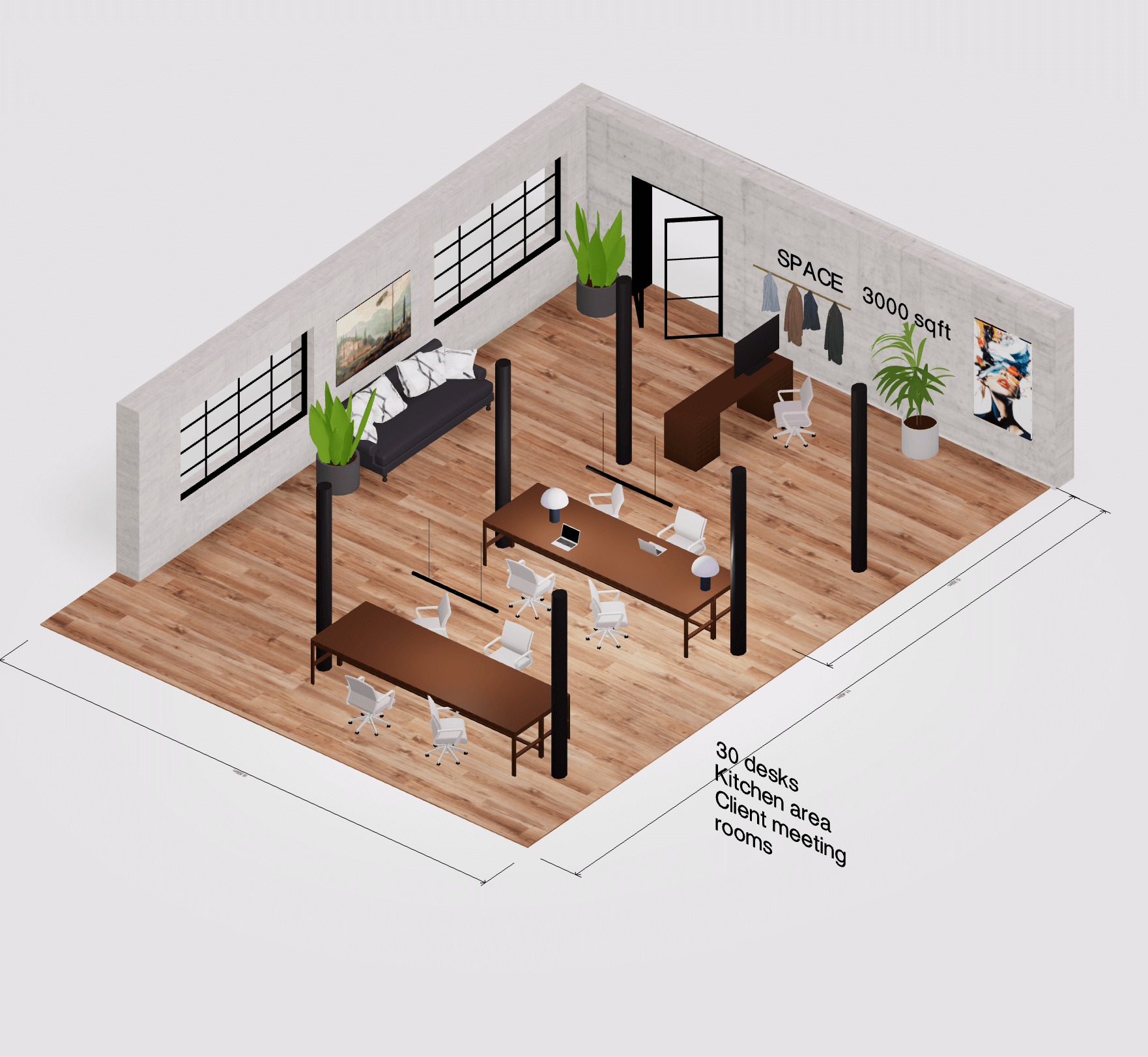 Office floor plan creator
 All training, tips and articles