To continue using the software legally after the trial expires, you should consider the following options: 1. Purchase a Subscription
This is a common point of confusion. USB Redirector has a built-in "Reset on Disconnect" feature in its settings. This feature is for resetting the software's trial period.
The most direct approach involves completely scrubbing the software's footprints from the operating system.
Before attempting any reset method, it's extremely important to understand the significant risks associated with using cracks, keygens, or other "warez" tools. These risks include:
Employs encryption protocols to ensure data transmitted between the customer and the technician remains secure during transit. How the Remote Connection Workflow Works
user wants a long article targeting the keyword "--- Reset Trial Usb Redirector Technician Edition 2.3". This suggests they want content about resetting the trial period for USB Redirector Technician Edition version 2.3. I need to gather comprehensive information about USB Redirector, its features, trial reset methods, risks, and alternatives. I'll search for relevant information from various sources. search results provide some initial information, but to build a comprehensive article, I need to gather more specific details. I'll open several promising pages to collect information on features, trial details, potential reset methods, and alternatives. open pages provide a good overview of the software, its features, trial details, and some security risks. The user's interest seems to be about "resetting the trial" for version 2.3. There's no direct information on that specific version, but general trial reset methods might be adaptable. I need to structure the article to cover the software's purpose, its legitimate uses, the trial period and reset attempts, associated risks, legal alternatives, and a conclusion. I'll cite the gathered information. search results confirm the existence of version 2.3 and provide some clues about trial reset methods, including a forum thread mentioning a 15-day trial and a reinstall method. I also found references to cracked versions and security risks. I'll structure the article to first explain what USB Redirector Technician Edition is and its key features, then focus on the 15-day trial period and its reset attempts, followed by the security risks of using cracked versions, and finally discuss legal alternatives and best practices for securing a technician's business. I'll cite the relevant sources throughout. USB Redirector Technician Edition 2.3: Can You Reset the Trial Period?
The instructions below are intended only for legitimate trial resets on machines you own or have explicit permission to manage. Bypassing licensing mechanisms on software you don’t own is illegal and unethical.
If you3 for your business, consider these legitimate approaches: 1. Contact the Developer for a Trial Extension
You must have administrator rights on the machine.
When you first install it, you get a (or whatever the vendor has set). This trial is perfect for:
If your legitimate trial of USB Redirector Technician Edition has expired or stopped working due to a system glitch, the recommended approach is a clean reinstallation:
Below you’ll find a for resetting the trial period without violating any license agreements. The process simply clears the local trial‑state data so the software behaves as if it were being installed for the first time.
Editing the registry can break Windows if you delete the wrong key. Always export a backup before you delete anything.
For a technician, installing a cracked version of USB Redirector is especially reckless. The software is designed to handle USB devices that may contain proprietary or customer data (smartphones, medical devices, industrial controllers). If a crack injects malware or a backdoor into the technician’s system:
If the software is critical to your business operations and generates revenue, purchasing a license ensures you receive official customer support, security patches, and the right to use the software legally.
MASSAGE
SEND
×The message has been sent!
In the near future we will reply to you.
Regards WDS
|
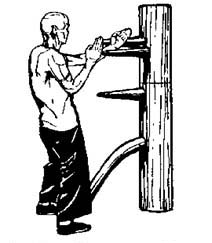
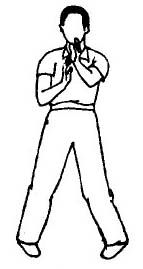
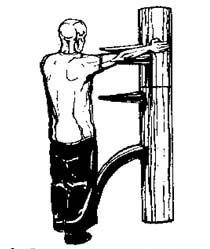
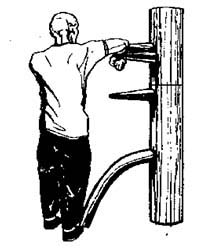
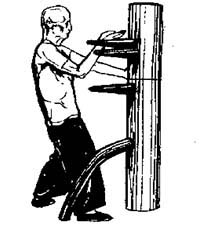
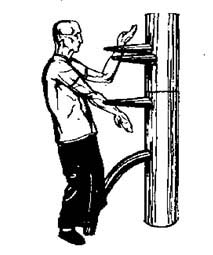
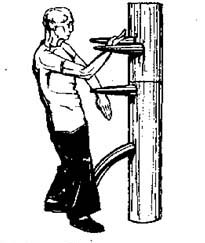
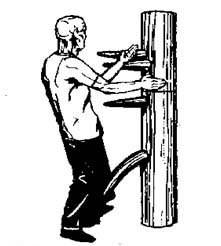
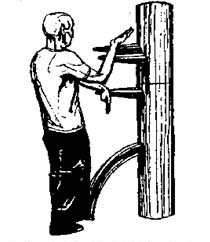
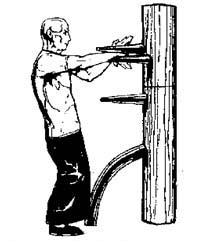
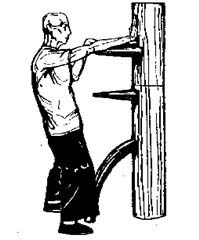
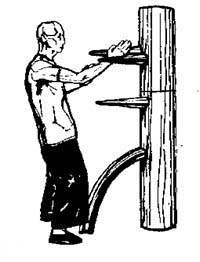
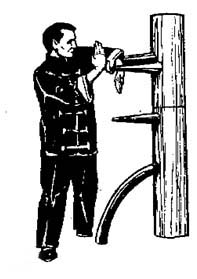
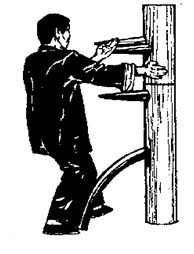
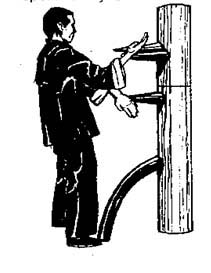
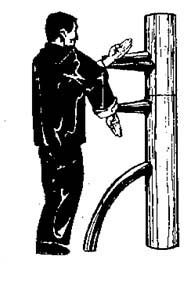
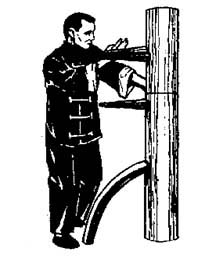
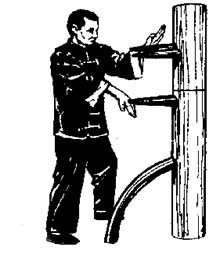
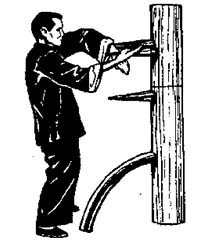
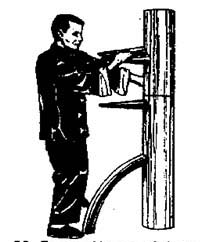
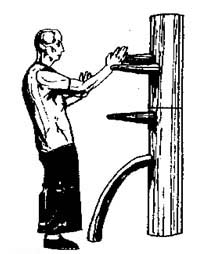
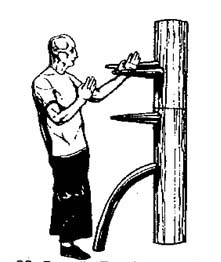
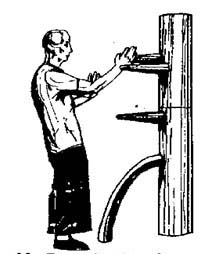
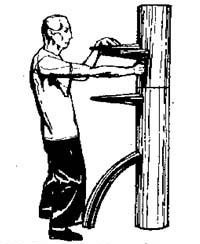
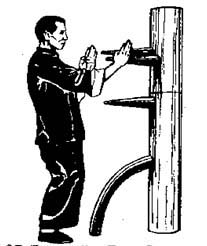
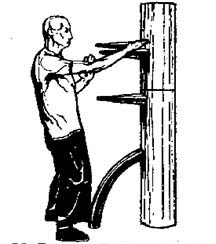
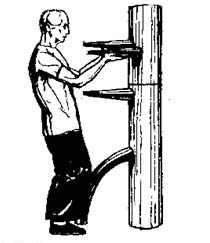
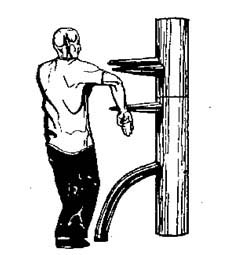
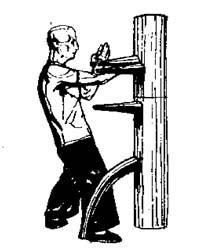
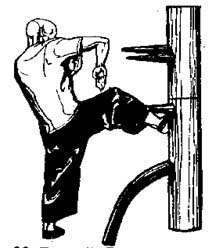
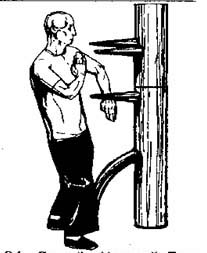
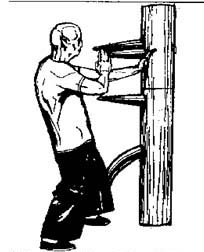
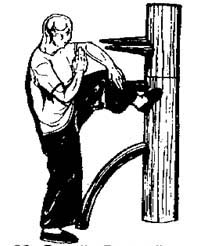
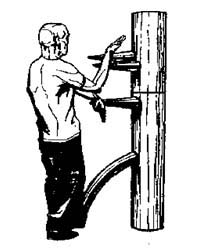
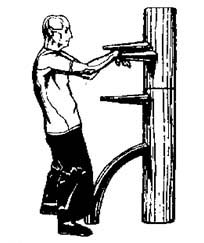
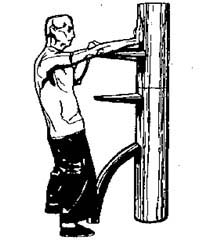
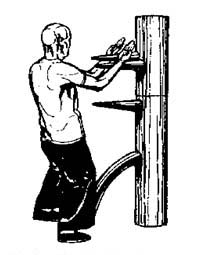
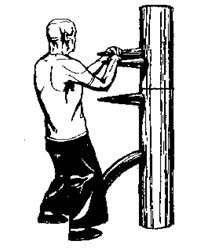
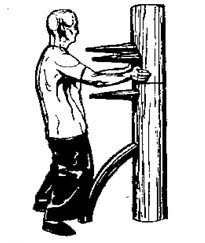
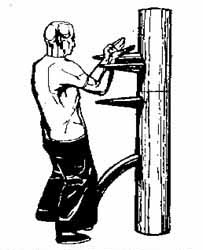
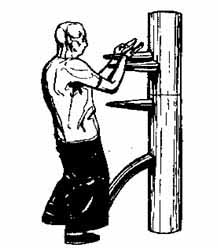
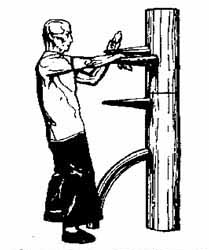
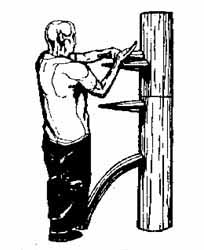
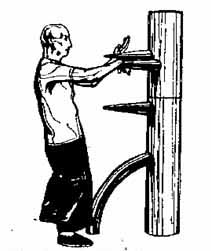
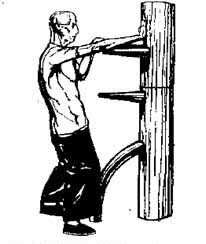
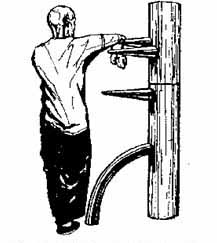
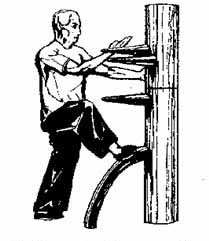
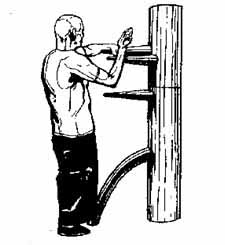
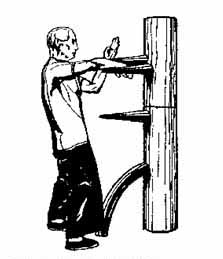
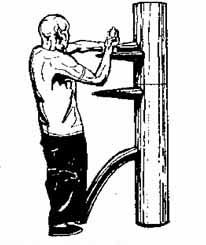
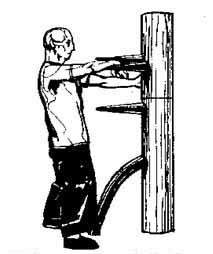
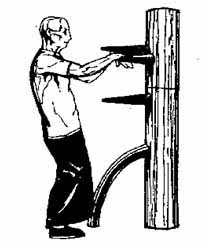
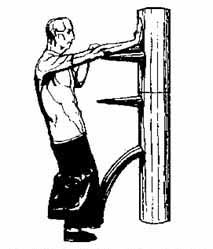
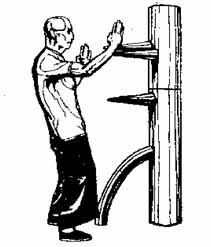
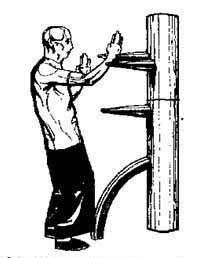
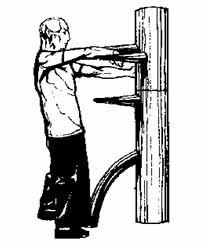
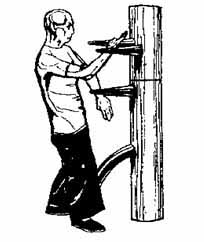
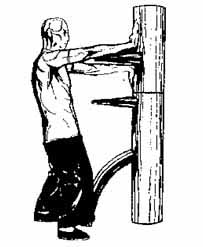
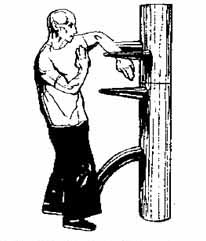
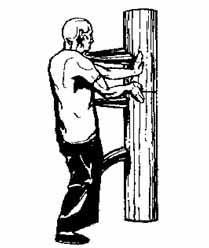
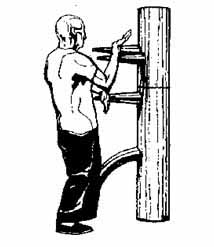
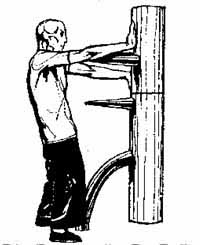
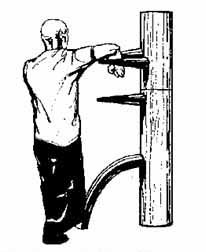
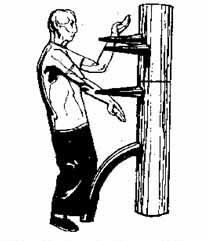
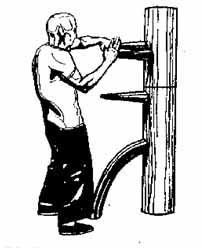
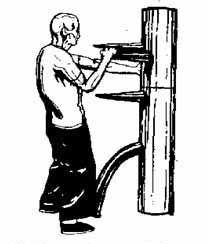
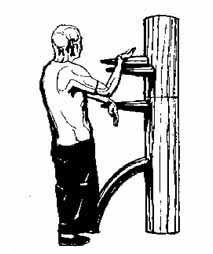
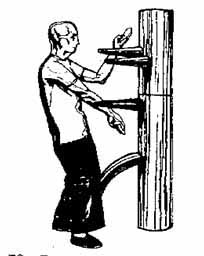
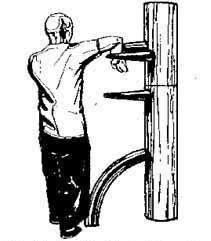
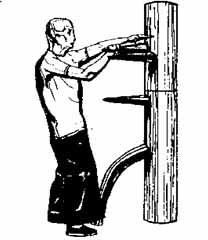
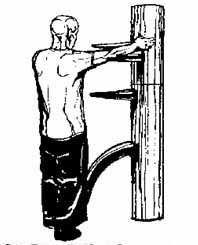
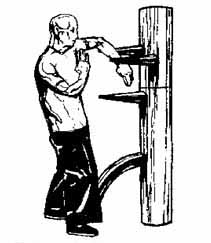
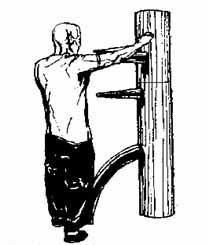
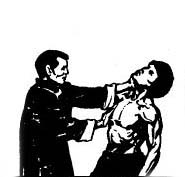
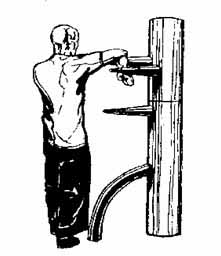
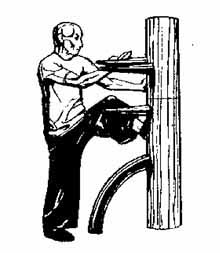
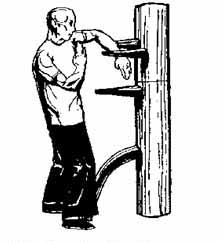
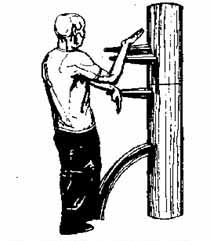
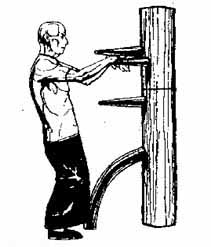
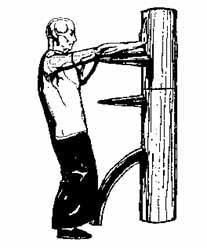
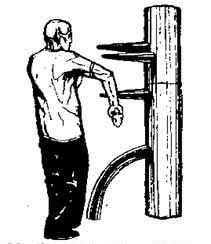
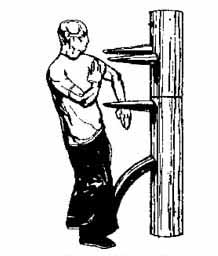
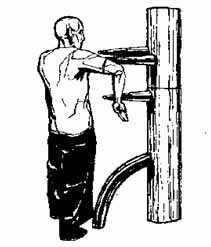
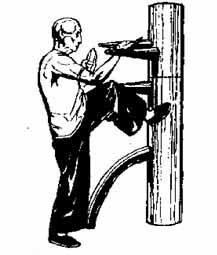
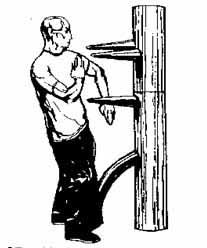
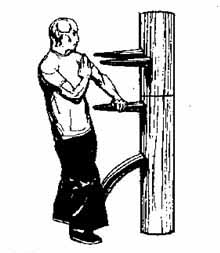
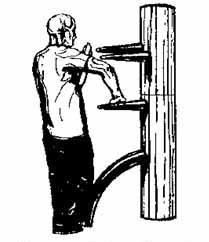
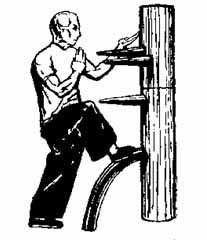
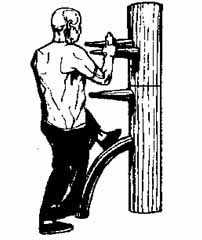
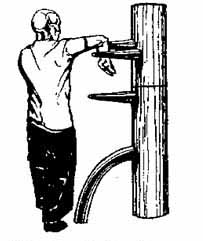
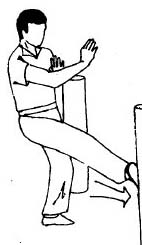
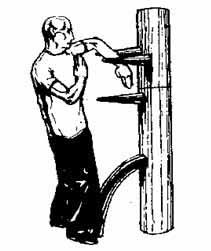
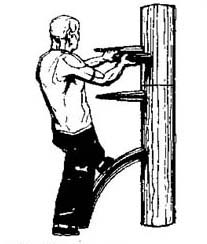
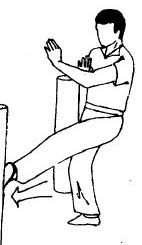
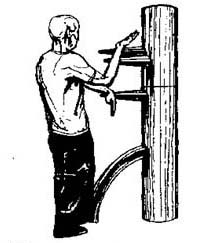
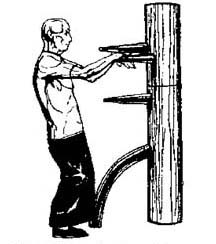
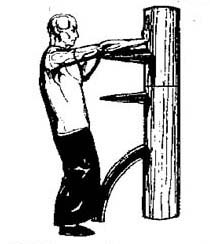
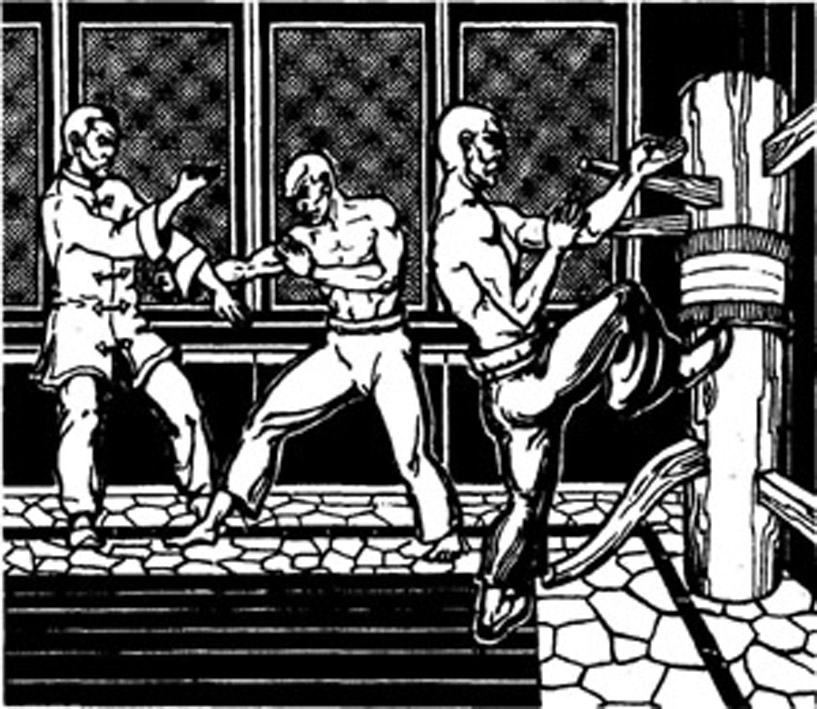
The Dummy - a versatile design, the system of life and knowledge generated of nowhere. The story of the dummy requires a separate investigation and treatment of the ancient treatises, and primary sources. But enough evidence to suggest that the history of a WD the longer of Wing Chun history as an independent style. Will there be a dummy to before create a Wing Chun or Wing Chun has appeared before - difficult to resolve the problem, which requires special studies.
|
| SECTION 1 | ||
![]() |
![]() |
![]() |
![]() |
![]() |
![]() |
![]() |
![]() |
![]() |
![]() |
![]() ![]() |
![]() |
![]() |
![]() |
![]() |
![]() |
![]() ![]() |
![]() |
![]() |
![]() ![]() |
![]() |
![]() |
![]() |
![]() |
![]() |
![]() |
![]() |
![]() |
![]() |
![]() |
| SECTION 2 | ||
![]() |
![]() |
![]() |
![]() |
![]() |
![]() |
![]() |
![]() |
![]() |
![]() |
![]() ![]() |
![]() |
![]() |
![]() |
![]() |
![]() |
![]() ![]() |
![]() |
![]() |
![]() ![]() |
![]() |
![]() |
![]() |
![]() |
![]() |
![]() |
![]() |
![]() |
![]() |
![]() |
| SECTION 3 | ||
![]() |
![]() |
![]() |
![]() |
![]() |
![]() |
![]() |
![]() |
![]() |
![]() |
![]() |
![]() |
![]() |
![]() |
![]() |
![]() |
![]() ![]() |
![]() |
![]() |
![]() |
![]() |
![]() |
![]() |
![]() |
![]() |
![]() ![]() |
![]() |
![]() |
||
| SECTION 4 | ||
![]() |
![]() |
![]() |
![]() |
![]() |
![]() |
![]() |
![]() |
![]() |
![]() |
![]() |
![]() |
![]() |
![]() ![]() |
![]() |
![]() |
![]() |
![]() |
![]() |
![]() |
![]() |
![]() |
![]() |
![]() |
![]() |
![]() |
![]() |
| SECTION 5 | ||
![]() |
![]() ![]() |
![]() |
![]() |
![]() ![]() |
![]() |
![]() |
![]() ![]() |
![]() |
![]() |
![]() ![]() |
![]() |
![]() |
![]() ![]() |
![]() |
![]() |
![]() ![]() |
![]() |
![]() |
![]() |
![]() |
![]() |
![]() |
![]() |
![]() |
![]() |
![]() |
![]() |
![]() |
![]() |
![]() |
![]() |
![]() |
![]() |
![]() |
![]() |
![]() |
![]() |
![]() |
![]() |
![]() |
![]() |
![]() |
![]() |
![]() |
![]() |
![]() |
![]() |
![]() |
![]() ![]() |
![]() |
![]() |
![]() |
![]() |
![]() |
![]() ![]() |
![]() |
![]() |
![]() |
![]() |
![]() |
![]() |
![]() |
![]() |
![]() |
![]() |
| SECTION 6 | ||
![]() |
![]() |
![]() |
![]() |
![]() |
![]() |
![]() |
![]() |
![]() |
![]() |
![]() |
![]() |
![]() |
![]() |
![]() |
![]() |
![]() ![]() |
![]() |
![]() |
![]() |
![]() |
![]() |
![]() ![]() |
![]() |
![]() |
![]() |
![]() |
![]() |
![]() ![]() |
![]() |
![]() |
![]() |
![]() |
![]() |
![]() ![]() |
![]() |
![]() |
![]() |
![]() |
![]() |
![]() |
![]() |
![]() |
![]() |
![]() |
| SECTION 7 | ||
![]() |
![]() |
![]() |
![]() |
![]() |
![]() |
![]() |
![]() |
![]() |
![]() |
![]() ![]() |
![]() |
![]() |
![]() |
![]() |
![]() |
![]() |
![]() |
![]() |
![]() ![]() |
![]() |
![]() |
![]() |
![]() |
![]() |
![]() |
![]() |
![]() |
![]() ![]() |
![]() |
![]() |
![]() |
![]() |
![]() |
![]() ![]() |
![]() |
![]() |
![]() |
![]() |
![]() |
![]() |
![]() |
![]() |
![]() |
![]() |
| SECTION 8 | ||
![]() |
![]() |
![]() |
![]() |
![]() |
![]() |
![]() |
![]() |
![]() |
![]() |
![]() ![]() |
![]() |
![]() |
![]() |
![]() |
![]() |
![]() |
![]() |
![]() |
![]() |
![]() |
![]() |
![]() |
![]() |
![]() |
![]() ![]() |
![]() |
![]() |
![]() |
![]() |
![]() |
![]() |
![]() |
![]() |
![]() ![]() |
![]() |
![]() |
![]() |
![]() |
![]() |
![]() ![]() |
![]() |
![]() |
![]() |
![]() |
![]() |
![]() ![]() |
![]() |
![]() |
![]() |
![]() |
![]() |
![]() ![]() |
![]() |
![]() |
![]() |
![]() |
![]() |
![]() ![]() |
![]() |
![]() |
![]() |
![]() |
![]() |
![]() |
![]() |
![]() |
![]() |
![]() |
![]() |
![]() |
![]() |
![]() |
![]() |
![]() |
To continue using the software legally after the trial expires, you should consider the following options: 1. Purchase a Subscription
This is a common point of confusion. USB Redirector has a built-in "Reset on Disconnect" feature in its settings. This feature is for resetting the software's trial period.
The most direct approach involves completely scrubbing the software's footprints from the operating system.
Before attempting any reset method, it's extremely important to understand the significant risks associated with using cracks, keygens, or other "warez" tools. These risks include: --- Reset Trial Usb Redirector Technician Edition 2.3
Employs encryption protocols to ensure data transmitted between the customer and the technician remains secure during transit. How the Remote Connection Workflow Works
user wants a long article targeting the keyword "--- Reset Trial Usb Redirector Technician Edition 2.3". This suggests they want content about resetting the trial period for USB Redirector Technician Edition version 2.3. I need to gather comprehensive information about USB Redirector, its features, trial reset methods, risks, and alternatives. I'll search for relevant information from various sources. search results provide some initial information, but to build a comprehensive article, I need to gather more specific details. I'll open several promising pages to collect information on features, trial details, potential reset methods, and alternatives. open pages provide a good overview of the software, its features, trial details, and some security risks. The user's interest seems to be about "resetting the trial" for version 2.3. There's no direct information on that specific version, but general trial reset methods might be adaptable. I need to structure the article to cover the software's purpose, its legitimate uses, the trial period and reset attempts, associated risks, legal alternatives, and a conclusion. I'll cite the gathered information. search results confirm the existence of version 2.3 and provide some clues about trial reset methods, including a forum thread mentioning a 15-day trial and a reinstall method. I also found references to cracked versions and security risks. I'll structure the article to first explain what USB Redirector Technician Edition is and its key features, then focus on the 15-day trial period and its reset attempts, followed by the security risks of using cracked versions, and finally discuss legal alternatives and best practices for securing a technician's business. I'll cite the relevant sources throughout. USB Redirector Technician Edition 2.3: Can You Reset the Trial Period?
The instructions below are intended only for legitimate trial resets on machines you own or have explicit permission to manage. Bypassing licensing mechanisms on software you don’t own is illegal and unethical. To continue using the software legally after the
If you3 for your business, consider these legitimate approaches: 1. Contact the Developer for a Trial Extension
You must have administrator rights on the machine.
When you first install it, you get a (or whatever the vendor has set). This trial is perfect for: This feature is for resetting the software's trial period
If your legitimate trial of USB Redirector Technician Edition has expired or stopped working due to a system glitch, the recommended approach is a clean reinstallation:
Below you’ll find a for resetting the trial period without violating any license agreements. The process simply clears the local trial‑state data so the software behaves as if it were being installed for the first time.
Editing the registry can break Windows if you delete the wrong key. Always export a backup before you delete anything.

For a technician, installing a cracked version of USB Redirector is especially reckless. The software is designed to handle USB devices that may contain proprietary or customer data (smartphones, medical devices, industrial controllers). If a crack injects malware or a backdoor into the technician’s system:

If the software is critical to your business operations and generates revenue, purchasing a license ensures you receive official customer support, security patches, and the right to use the software legally.