Comic Lo Translated Work
Due to the adult nature and copyright issues, I cannot direct link to piracy sites. However, I can guide you toward the ecosystems where these translations live.
: Originally published irregularly, it became monthly in 2004 and transitioned to a bimonthly schedule in August 2023.
Translating these works is an act of curation. It is about bridging the gap between a niche Japanese subculture and a global audience hungry for high-quality art and genuine emotion. Whether it is a heartwarming slice-of-life romance or a raunchy comedy, a translated Comic Lo work offers a window into a genre where fantasy and artistry intersect freely.
: It is considered a staple of the lolicon subculture in Japan and has inspired several offshoot magazines. 🛠️ The Translation Process comic lo translated work
Translating works like those found in Comic LO—or any manga—is a multi-layered technical and creative effort:
When Japanese text overlaps with background art or sound effects (onomatopoeia), "redrawers" must manually reconstruct the missing art behind the text. Once the pages are clean, "typesetters" place the translated text into the bubbles, choosing fonts that match the mood, tone, and loudness of the character's voice. 4. Quality Control
: Use these to translate "off-screen" narration or setting descriptions that provide context to the images. Onomatopoeia (Sound Effects) Due to the adult nature and copyright issues,
Highly restricted or illegal due to strict content laws regarding fictional depictions
The localization of these comics presents unique hurdles. Translators must frequently choose between literal accuracy and cultural adaptation. Idioms, honorifics, and wordplay specific to East Asian languages often require deep contextual footnotes or creative restructuring to make sense to a Western reader. Consequently, the communities surrounding these translations frequently debate the merits of "purist" translation versus seamless localization. Legal Ambiguity and the Digital Gray Market
Proponents argue that without these volunteer translations, the vast majority of these short stories would be permanently lost to time, as official licensing companies only translate a tiny fraction of the material produced in Japan each month. Future Trends: AI and Official Localization Translating these works is an act of curation
: Replacing the original Japanese dialogue, narration, and sound effects with a target language (usually English).
The content within typically focuses on themes of youth and innocence, presented through a lens of high-fidelity illustration. This aesthetic choice has created a distinct brand identity that makes "Lo" works instantly recognizable to collectors. For those seeking translated versions, the appeal often lies as much in the artistic mastery of the contributors as it does in the narrative content. The Challenges of Translation and Localization
Publishers have launched global digital platforms, subscription-based reading apps, and simultaneous worldwide releases to directly compete with unauthorized distribution networks. By offering high-quality translations, faster release schedules, and direct financial support to the original artists, official platforms are gradually shifting consumer habits away from the digital gray market.
Reviewing translated comic works like (a Japanese anthology) requires a unique focus on how the localization preserves the original's art, tone, and cultural nuance. Because comics are a multimodal medium, you must evaluate how well the text and visuals harmonize after translation. Key Criteria for Reviewing Translated Comics COMIC LO|Review List - HMV&BOOKS online
Ampia Gamma di Prodotti
Sul sito serpone.it trovi un'amplissima scelta di prodotti.
Se hai mai visitato i nostri punti vendita di Roma o di Napoli, o se hai consultato uno dei nostri cataloghi, ne hai avuto prova.

E tutti i giorni ne aggiungiamo di nuovi.
Naviga tra i reparti del sito, anche solo per curiosità.
Torna spesso, troverai sempre qualcosa in più.
E poi, qualsiasi cosa sia, la spediamo in tutto il mondo:
Spedizioni in tutto il Mondo
×
Spedizioni in tutto il Mondo
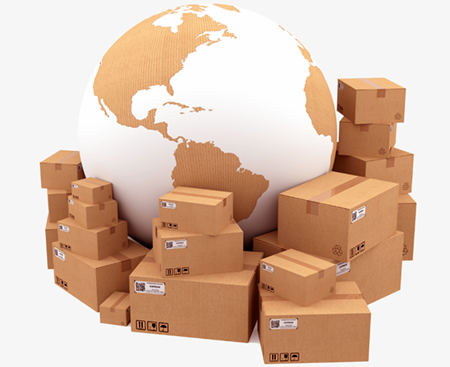
Tutti i nostri prodotti, in tutto il mondo!
Utilizziamo i corrieri internazionali più conosciuti e sicuri e la spedizione include assicurazione contro rotture o smarrimenti.
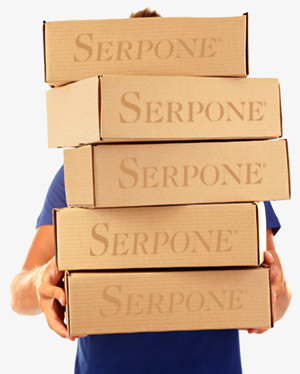
Destinazione in Italia: per 100,00 € di spesa:
SPEDIZIONE GRATUITA!
(per acquisti inferiori, contributo fisso di 20,00 €)
Destinazione fuori Italia: il costo è calcolato automaticamente nel carrello a secondo dei prodotti e del paese di destinazione. Se questo costo fosse troppo alto, contattaci: cercheremo una spedizione più conveniente!
Acquista online, e riceverai punti fedeltà che potrai utilizzare per pagare successivi acquisti:
Punti Fedeltà
×
Punti Fedeltà
Per ogni prodotto acquistato su serpone.it, riceverai Punti Fedeltà.
 I Punti Fedeltà saranno visibili nel tuo account dopo che l’ordine sarà spedito.
Ogni prodotto riporta i Punti Fedeltà che si accumulano acquistandolo ed anche il suo prezzo in Punti.
Potrai utilizzare i Punti Fedeltà che avrai accumulato per tutti gli acquisti sul sito.
E se devi fare un regalo e non conosci i gusti o le necessità di che deve riceverlo guarda la sezione:
Buoni Regalo
×
Buoni Regalo
 Vuoi fare un regalo e non conosci i gusti o le necessità di chi deve riceverlo?
Ordinazione, Prima Messa, 25° di Sacerdozio, aiuto per gli arredi della Parrocchia, un presente di ringraziamento, ma anche il Compleanno.
Acquista un Buono Regalo!

Il miglior modo per non fare errori.
La persona che lo riceve sceglie il prodotto che più gli è utile, e tu non rischi di regalare qualcosa di superfluo.
Acquista un Buono Regalo adesso!
×