
Love 2015 Okur Better Jun 2026
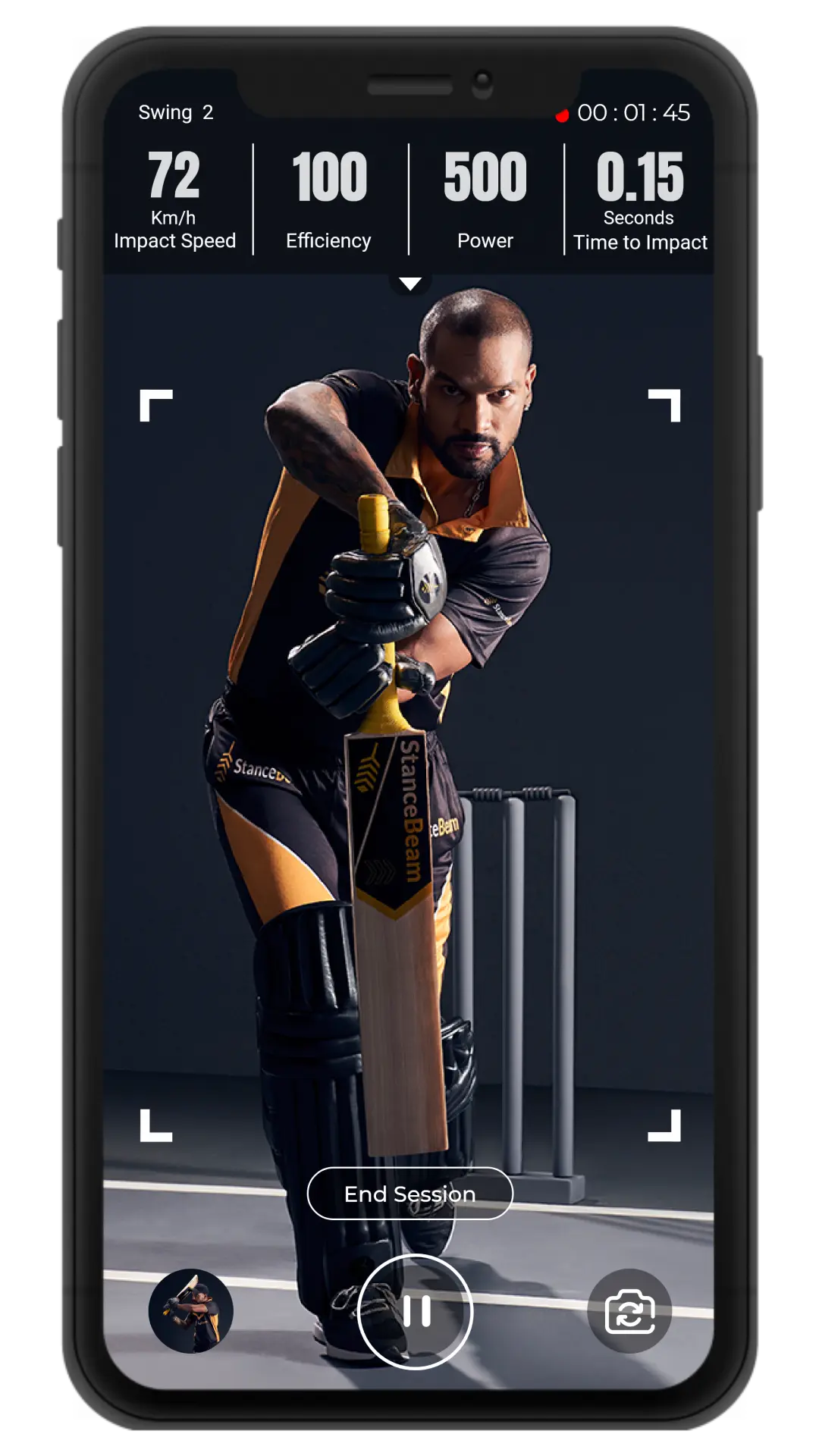
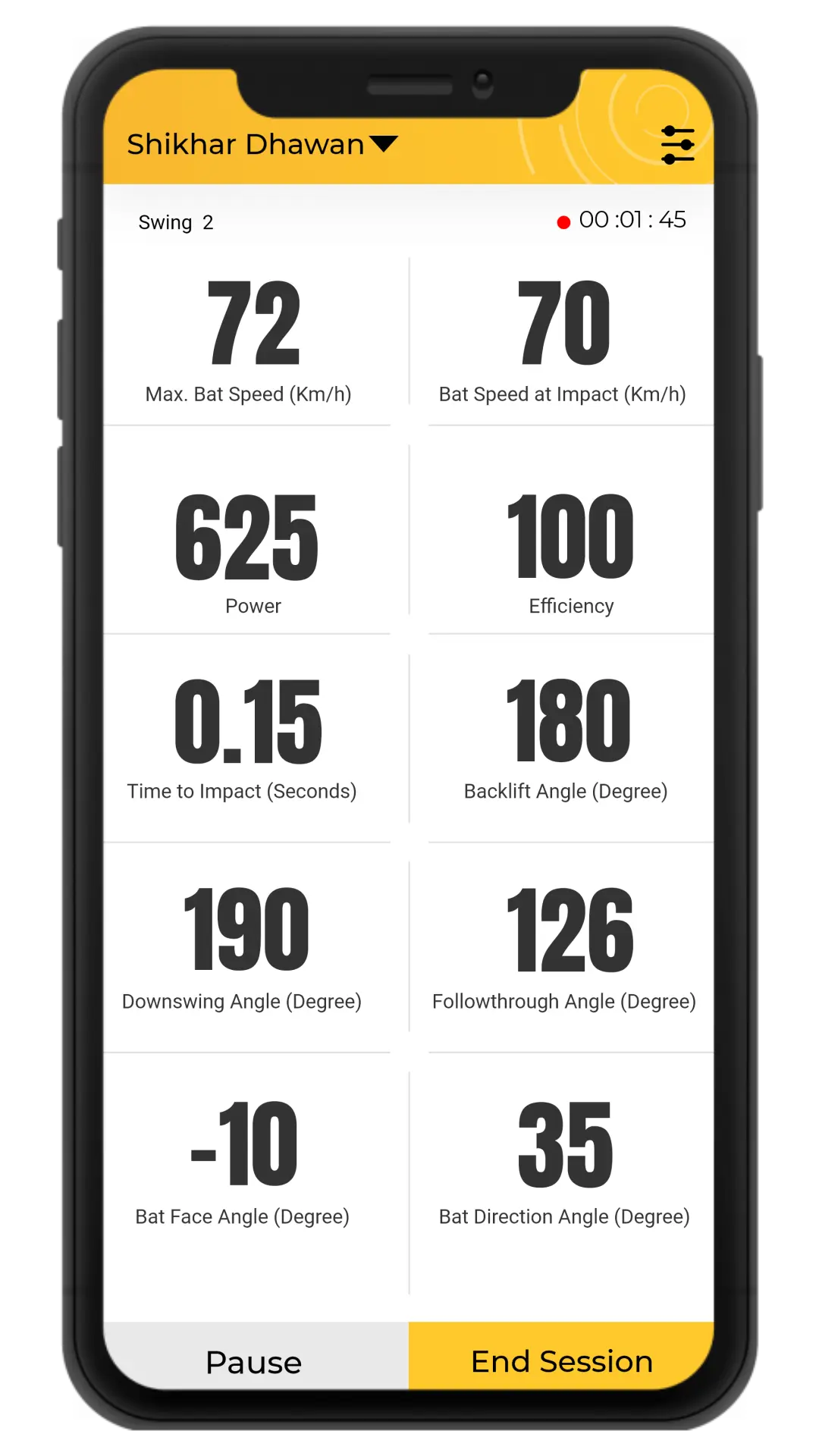
The StanceBeam app is the soul of the interactions with StanceBeam Striker - Smart Cricket Bat Sensor


Swipe up to learn more
The StanceBeam app is the soul of the interactions with StanceBeam Striker - Smart Cricket Bat Sensor
Swipe up to learn more
If you loved someone in 2015 and it ended, the goal isn’t to return. It’s to take the lessons and love more wisely now. That’s “loving better.”
“Noe makes fun of the target audience who wanted nothing but ‘vibes’ and pretty people fucking. … He delivers that … but lampoons the immature artistic mindset that craves it.” — Letterboxd user ltopomcfly
captures the obsessive, addictive, and often destructive nature of passion. It portrays the "dirty" side of love—jealousy, betrayal, and regret—in a way that feels uncomfortably real to many viewers. Visual Artistry
: While polarized, the film is often discussed for its technical ambition and raw depiction of "drug abuse, rough sex, and tender moments".
The concept of love in 2015 and beyond is complex, multifaceted, and influenced by the digital age. OKUR better represents a proactive and intentional approach to finding love, one that encourages individuals to take control of their relationships and be authentic in their pursuit of connection.
: Beyond the controversy, the story follows Murphy (Karl Glusman) as he navigates a melancholy haze of memories about his ex-girlfriend Electra, exploring the deep scars left by a "great love" that went wrong. Where it Divides Opinion
At first glance, it appears to be a fragmented thought, a half-remembered title, or perhaps a typo-laden command. Yet, beneath its surface lies a fascinating intersection of two completely different worlds: the visceral, provocative world of Gaspar Noé's art-house cinema and the high-stakes, data-driven realm of biotech stock investing. This article will deconstruct each component of this mysterious phrase, exploring the impact of the 2015 film Love , demystifying the "OKUR" stock ticker, and ultimately, delving into the philosophical challenge of deciding which one is "better."
Here is a "good review" breakdown of why Love (2015) is such a powerful novel:
But what, concretely, would constitute a “better” love than the one depicted in Love (2015) ? The film offers a vivid negative example:
The film is a non-linear sexual melodrama that explores the volatile relationship between , an American film student in Paris, and his ex-girlfriend Plot & Narrative Structure The Catalyst:
If you loved someone in 2015 and it ended, the goal isn’t to return. It’s to take the lessons and love more wisely now. That’s “loving better.”
“Noe makes fun of the target audience who wanted nothing but ‘vibes’ and pretty people fucking. … He delivers that … but lampoons the immature artistic mindset that craves it.” — Letterboxd user ltopomcfly
captures the obsessive, addictive, and often destructive nature of passion. It portrays the "dirty" side of love—jealousy, betrayal, and regret—in a way that feels uncomfortably real to many viewers. Visual Artistry love 2015 okur better
: While polarized, the film is often discussed for its technical ambition and raw depiction of "drug abuse, rough sex, and tender moments".
The concept of love in 2015 and beyond is complex, multifaceted, and influenced by the digital age. OKUR better represents a proactive and intentional approach to finding love, one that encourages individuals to take control of their relationships and be authentic in their pursuit of connection. If you loved someone in 2015 and it
: Beyond the controversy, the story follows Murphy (Karl Glusman) as he navigates a melancholy haze of memories about his ex-girlfriend Electra, exploring the deep scars left by a "great love" that went wrong. Where it Divides Opinion
At first glance, it appears to be a fragmented thought, a half-remembered title, or perhaps a typo-laden command. Yet, beneath its surface lies a fascinating intersection of two completely different worlds: the visceral, provocative world of Gaspar Noé's art-house cinema and the high-stakes, data-driven realm of biotech stock investing. This article will deconstruct each component of this mysterious phrase, exploring the impact of the 2015 film Love , demystifying the "OKUR" stock ticker, and ultimately, delving into the philosophical challenge of deciding which one is "better." … He delivers that … but lampoons the
Here is a "good review" breakdown of why Love (2015) is such a powerful novel:
But what, concretely, would constitute a “better” love than the one depicted in Love (2015) ? The film offers a vivid negative example:
The film is a non-linear sexual melodrama that explores the volatile relationship between , an American film student in Paris, and his ex-girlfriend Plot & Narrative Structure The Catalyst: