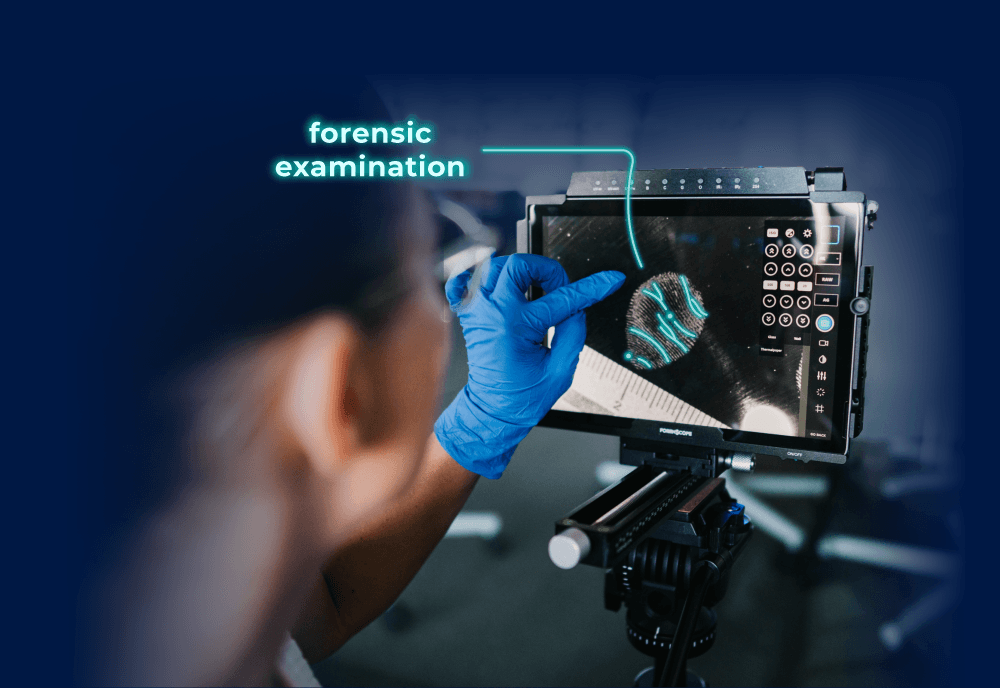
Image Capture
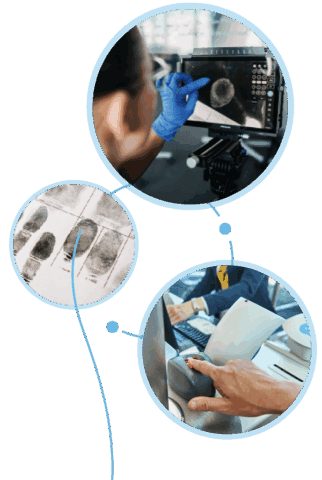
The first step is to capture an image of the fingerprint. This is typically done using specialized fingerprint scanners, which may utilize different technologies such as optical, capacitive, or ultrasound.
Innovatrics fingerprint recognition is trusted worldwide by governments and businesses for its speed and accuracy, and consistently a top performer in independent biometric benchmarks such as NIST.
Talk to our team
Ghasitaram the mouse appears with a tiny abacus, trying to help Motu count, only to be eaten (playfully) in a puff of smoke.
Before the absolute dominance of official streaming giants like JioCinema, Voot Kids, and Netflix India, third-party sites filled a massive consumer gap. They offered:
While "Tinyjuke" specifically doesn't appear as an official brand or developer in the major Motu Patlu Tinyjuke Motu Patlu 2019
: A bald, well-meaning, but chaotic individual whose physical strength and cognitive abilities are entirely dependent on consuming samosas. His signature catchphrase, "Khaali pet dimaag ki batti nahi jalti" (An empty stomach keeps the brain's lightbulb turned off), became a defining playground idiom across India.
Do you need information on the and movies? Ghasitaram the mouse appears with a tiny abacus,
Share your favorite Tinyjuke Motu Patlu memory in the comments below. And remember – always share your samosas.
The landscape of kids' content changes rapidly. As of 2025, the brand has evolved. While the original channel still exists, many of its 2019 Motu Patlu videos have been delisted due to licensing agreements expiring with Nickelodeon India. However, archival playlists preserved by fans (often titled "Classic Tinyjuke 2019 - Motu Patlu") remain accessible. His signature catchphrase, "Khaali pet dimaag ki batti
The series's vibrant 3D animation, catchy theme music, and character-driven comedy have made it a massive hit. By 2018, Google Trends declared it the most searched Indian TV show in the world. Its popularity extends far beyond India, with a strong fanbase across South Asia and even in countries like Singapore and Indonesia, demonstrating its universal appeal.
Understanding this specific keyword requires looking at the collision of third-party video platforms, the evolution of children's television, and how regional streaming habits shifted at the end of the last decade. What is Tinyjuke?
2019 brought an massive influx of new episodes featuring sharper 3D animation rendering.
Tinyjuke Motu Patlu 2019 wasn't just a set of music videos; it was a cultural moment. It proved that even the simplest concept – two friends and a samosa – could become a global hit when paired with the right beat. For kids who grew up in 2019, these songs are nostalgia triggers. For parents, they were a reliable, safe, and genuinely fun screen time option.
Fingerprint identification is the most widely adopted biometric worldwide, with legal frameworks and standards already in place.
Massive fingerprint archives already exist in law enforcement, border agencies, and civil registries, making integration faster and more effective.
Simple and inexpensive devices can capture fingerprints instantly, in almost any environment, making it easy to deploy at scale.
Proven over decades of forensic and civil use to deliver consistent, reliable matches, even from partial or low-quality fingerprints.
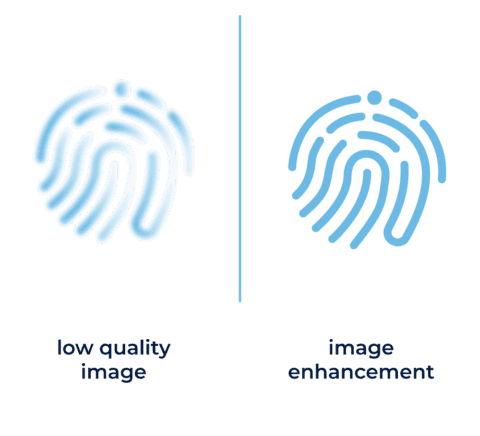
The first step is to capture an image of the fingerprint. This is typically done using specialized fingerprint scanners, which may utilize different technologies such as optical, capacitive, or ultrasound.
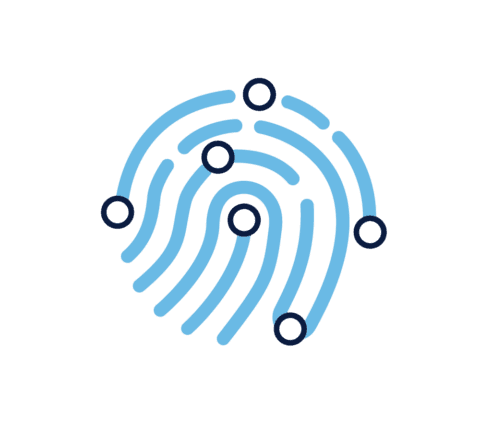
Once the fingerprint image is captured, the system extracts specific features from it. These include ridge endings, minutiae, bifurcations, and other unique characteristics of the fingerprint.
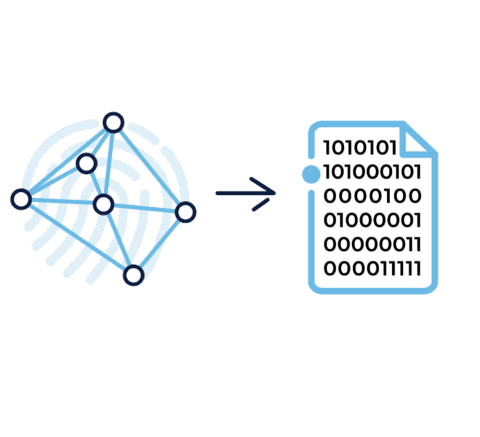
The extracted features are then used to create a digital template of the fingerprint, capturing its unique attributes and making it easier to compare with other records.
1:1 fingerprint verification is the process of confirming whether a captured fingerprint matches a single enrolled record. Instead of searching across an entire database, the system only checks if the person is who they claim to be. It requires extremely high accuracy, since even small errors can lead to false rejections or unauthorized access.
This type of verification is used every day for secure and convenient authentication. Employees can clock in at work using fingerprint readers, while civil registries rely on it to ensure a person’s claimed identity matches the records on file. It’s fast, simple, and reliable, and one of the most widely adopted biometric methods worldwide.
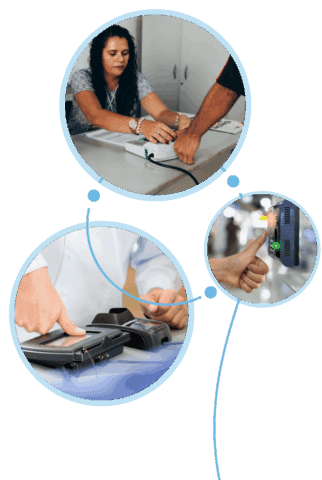
1:N fingerprint identification is the process of taking a single fingerprint sample and comparing it against a large database of stored prints to discover someone’s identity. Because the search may involve thousands or millions of records, systems need to be fast enough to deliver results instantly, and precise enough to avoid false matches.
In real-world use cases, 1:N identification is vital for law enforcement, border security, and civil ID systems. Investigators can take latent prints from a crime scene and search it against national databases to identify a suspect. Border agencies can instantly check a traveler’s fingerprints against watchlists. Civil registries use it to prevent duplicate enrollments and ensure every citizen is registered only once.
Since 2004, Innovatrics have consistently ranked among the best in the world in independent biometric benchmark evaluations and certifications.
A key benchmark for evaluating fingerprint template generation and matching. High MINEX scores demonstrate interoperability and accuracy, critical for large-scale ID systems and border control programs.
Evaluates the accuracy and speed of proprietary fingerprint matching algorithms. Strong PFT II results demonstrate top performance in native systems, essential for forensic and high-security applications.
Essential for law enforcement working with latent fingerprints, where prints are often partial or low quality. Strong ELFT performance ensures faster, more accurate suspect identification.
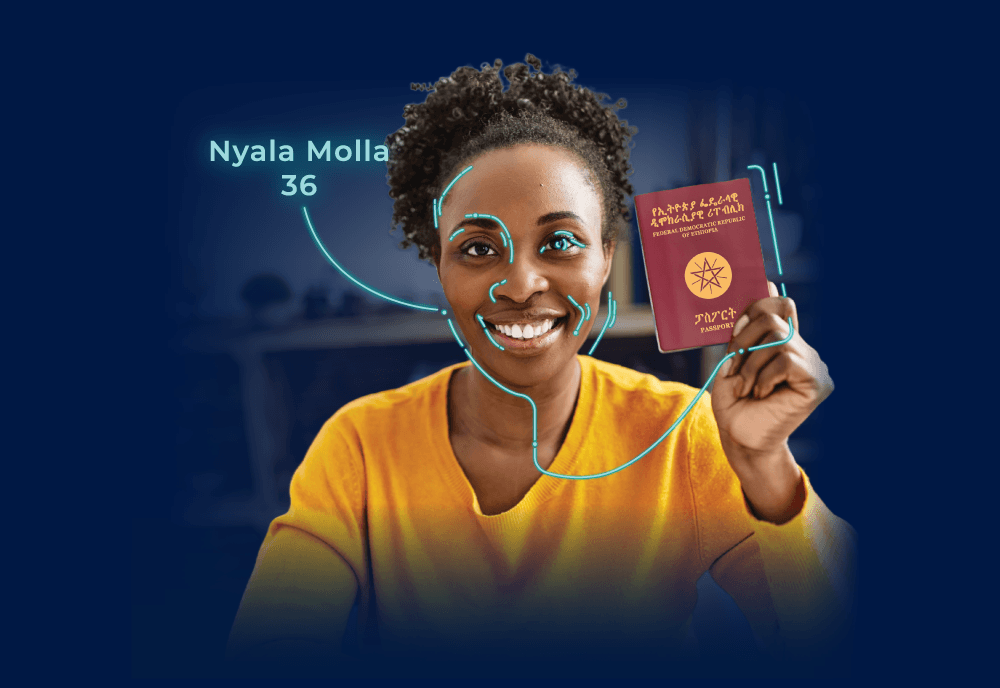
In national ID programs, fingerprint recognition makes sure every citizen has one unique and verifiable identity, building trust in government services and enabling secure digital access.
Find out how
Our passion for technology brings biometric benefits to millions of people.